
Studying the OWASP Juice Shop Lab
Introduction
OWASP Juice Shop is an open-source project for learning and testing web application security. It provides a realistic web application environment simulating an online store, with multiple security vulnerabilities and attack surfaces.
OWASP Juice Shop is an intentionally insecure web application for security training, awareness, and testing security tools. It contains all vulnerability categories in the OWASP Top 10 as well as many other security flaws.
It is a modern single-page application (SPA) built with a popular technology stack:
- Front end: Angular
- Back end: Node.js + Express
- Database: SQLite
Juice Shop includes more than 100 coding challenges covering:
- Injection attacks
- Authentication bypass
- Authorization flaws
- XSS (cross-site scripting)
- CSRF (cross-site request forgery)
- Sensitive data exposure
- XML external entities (XXE)
- Insecure deserialization
- Components with known vulnerabilities
- Insufficient logging and monitoring
Environment Setup
Introduction page
OWASP Juice Shop | OWASP Foundation
Official GitHub address
First install Docker, then run:
Docker Deployment
- Run
docker pull bkimminich/juice-shop - Run
docker run --rm -p 127.0.0.1:3000:3000 bkimminich/juice-shop - Browse to http://localhost:3000 (on macOS and Windows, browse to http://192.168.99.100:3000 if you are using docker-machine instead of the native Docker installation)
Node.js Deployment
Alternatively, run it directly with Node.js:
Visit http://localhost:3000 to get started.
In the application, click “Score Board” in the upper-right corner to view all challenges. Challenges are grouped by difficulty:
- ⭐ Easy
- ⭐⭐ Medium
- ⭐⭐⭐ Hard
- ⭐⭐⭐⭐ Expert
- ⭐⭐⭐⭐⭐ Master
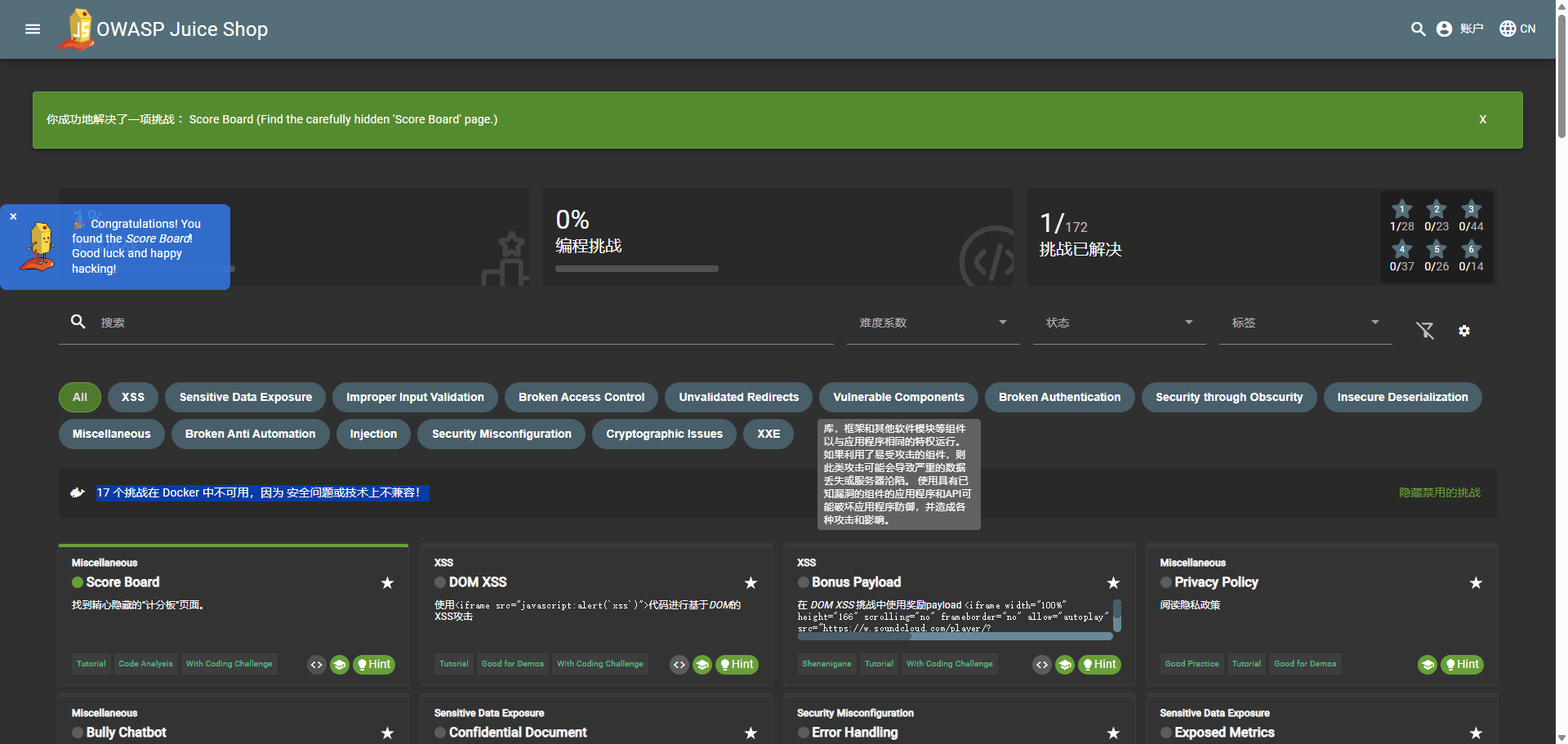
Vulnerability Categories and Learning
Injection Attacks
SQL Injection
Try SQL injection on the login page:
NoSQL Injection
An injection attack against MongoDB:
One-Star Challenges
First Challenge: Find the Score Board
Finding the route in the frontend code is enough.
http://127.0.0.1:3000/#/score-boardXSS
DOM XSS
Use the
<iframe src="javascript:alert(xss)">code to perform a DOM-based XSS attack.
Find a suspicious location and try executing it; the search box works.
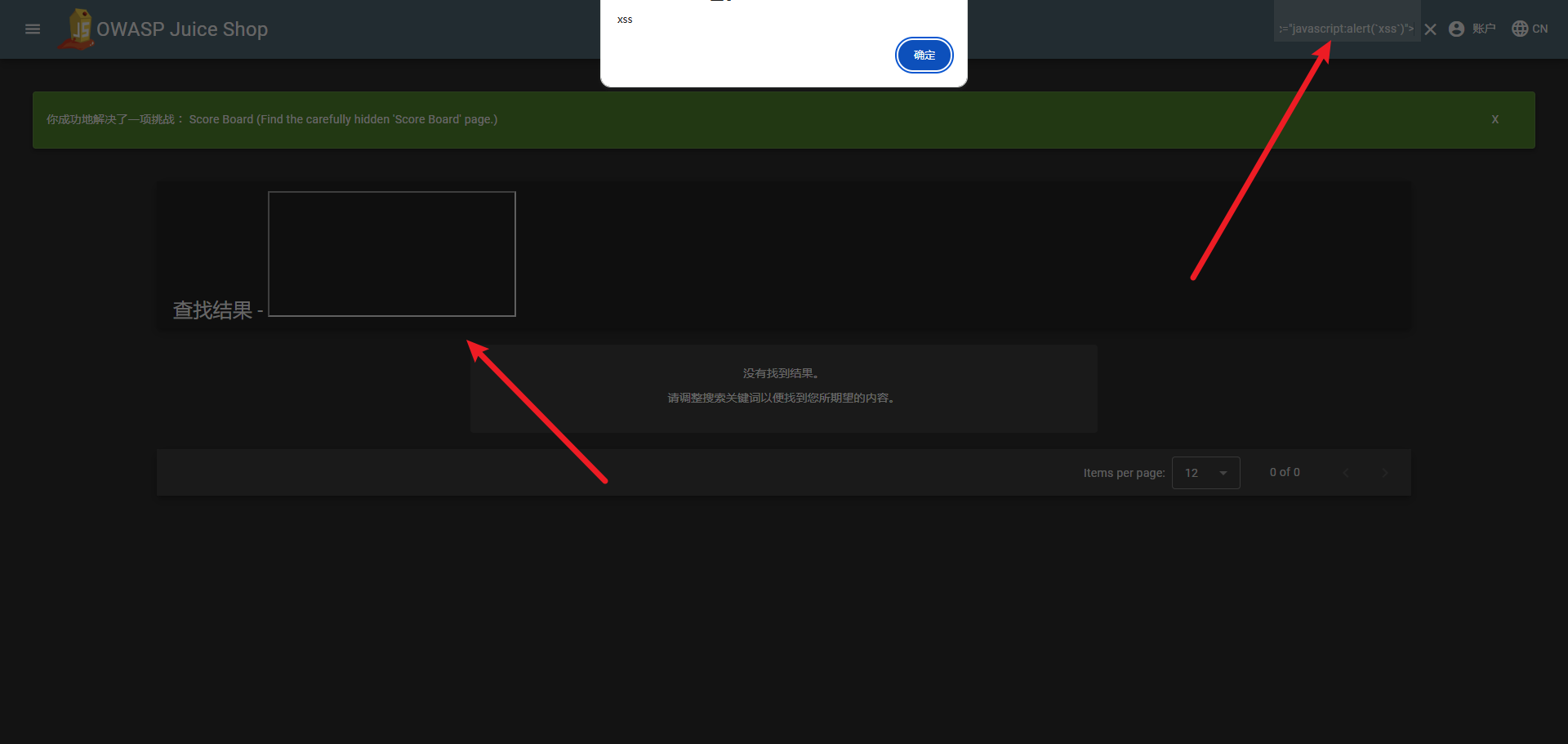
We find that XSS is present and not filtered.
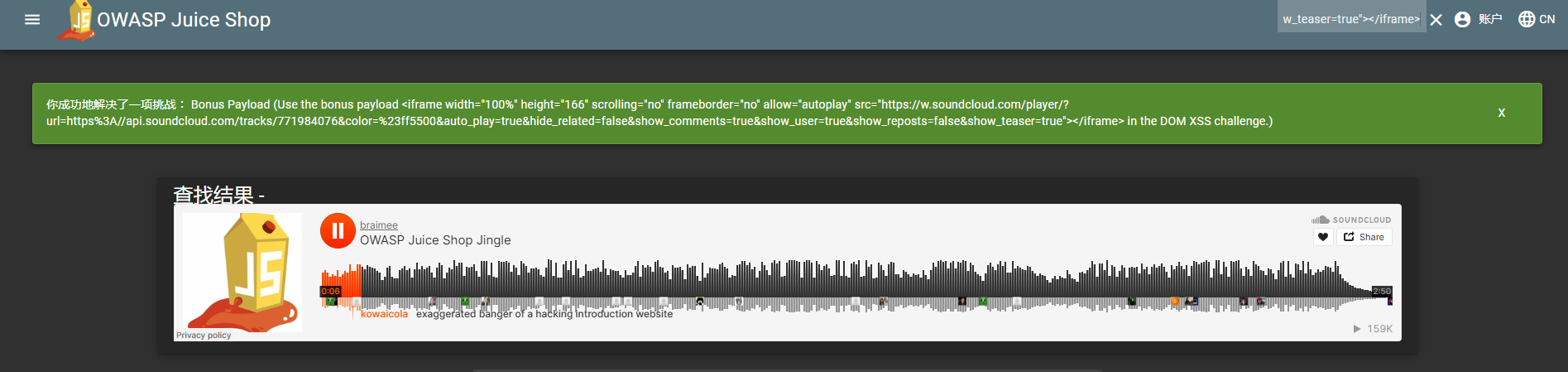
We can analyze it and directly use XSS to embed a web page.
Use an iframe embed; the rest are some player parameters.
<iframe
    width="100%"
    height="166"
    scrolling="no"
    frameborder="no"
    allow="autoplay"
    src="https://w.soundcloud.com/player/?url=https%3A//api.soundcloud.com/tracks/771984076&color=%23ff5500&auto_play=true&hide_related=false&show_comments=true&show_user=true&show_reposts=false&show_teaser=true">
</iframe>
Use the same entry point; the XSS embedding result is as follows.
Read Confidential Documents
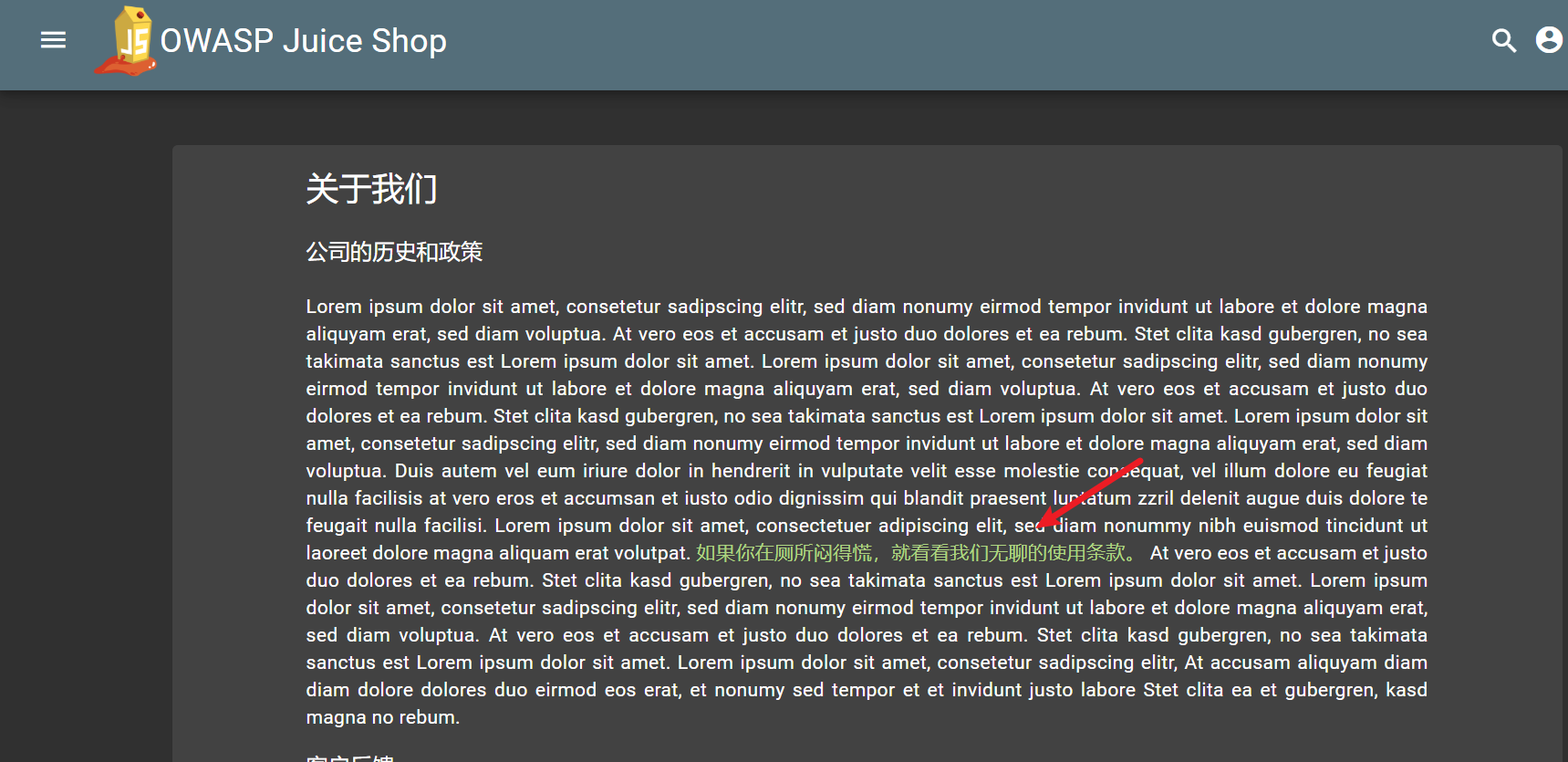
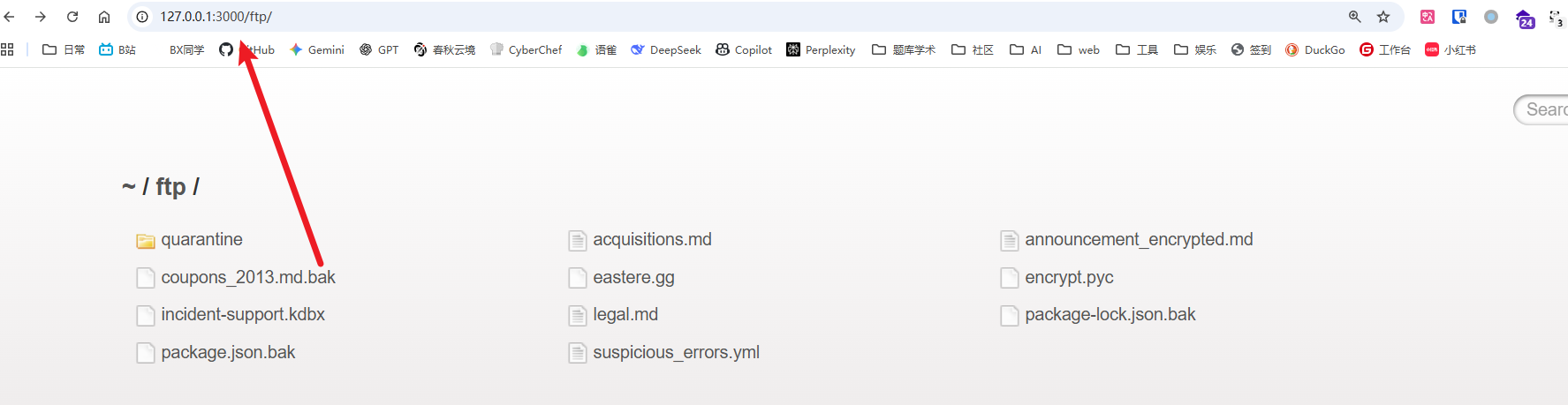
Visit the link.
http://127.0.0.1:3000/ftp/legal.mdThis may expose files. Try the following; it turns out more files can be read.
Missing Encoding
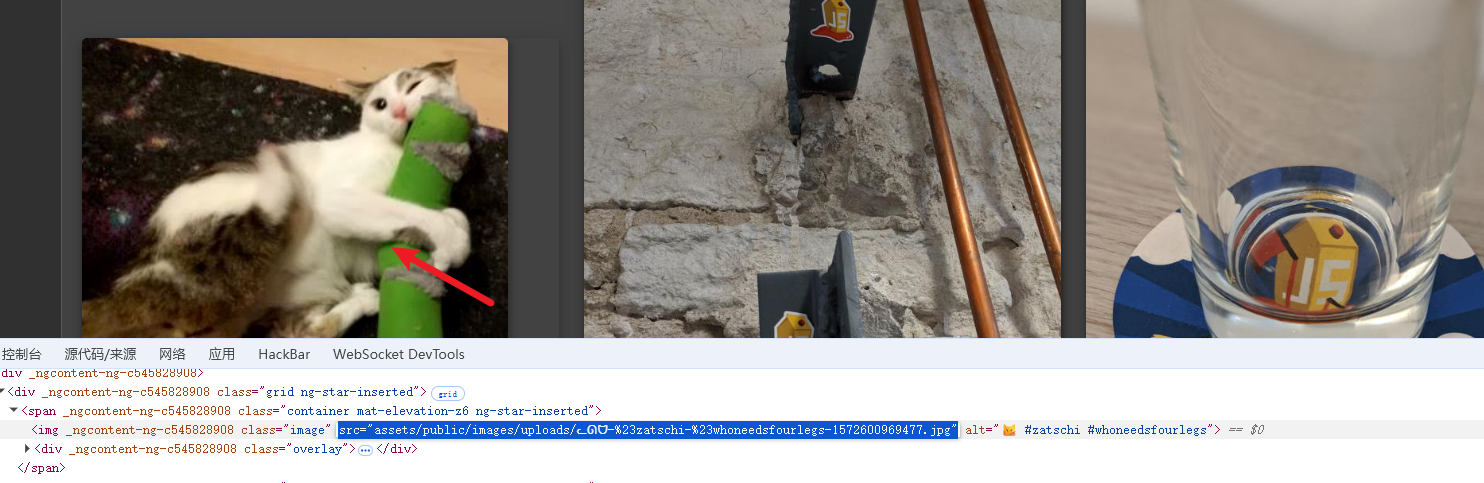
Obtain a photo of Bjoern’s cat in “War mode.”
This challenge is on the photo wall.
The image does not display because # in the URL denotes an anchor.
<img src="/assets/public/images/uploads/ᓚᘏᗢ-#zatschi-#whoneedsfourlegs-1572600969477.jpg">Changing it to %23 solves the issue.
Refresh, and the cat appears.
Privacy Policy
Outdated Allowlist
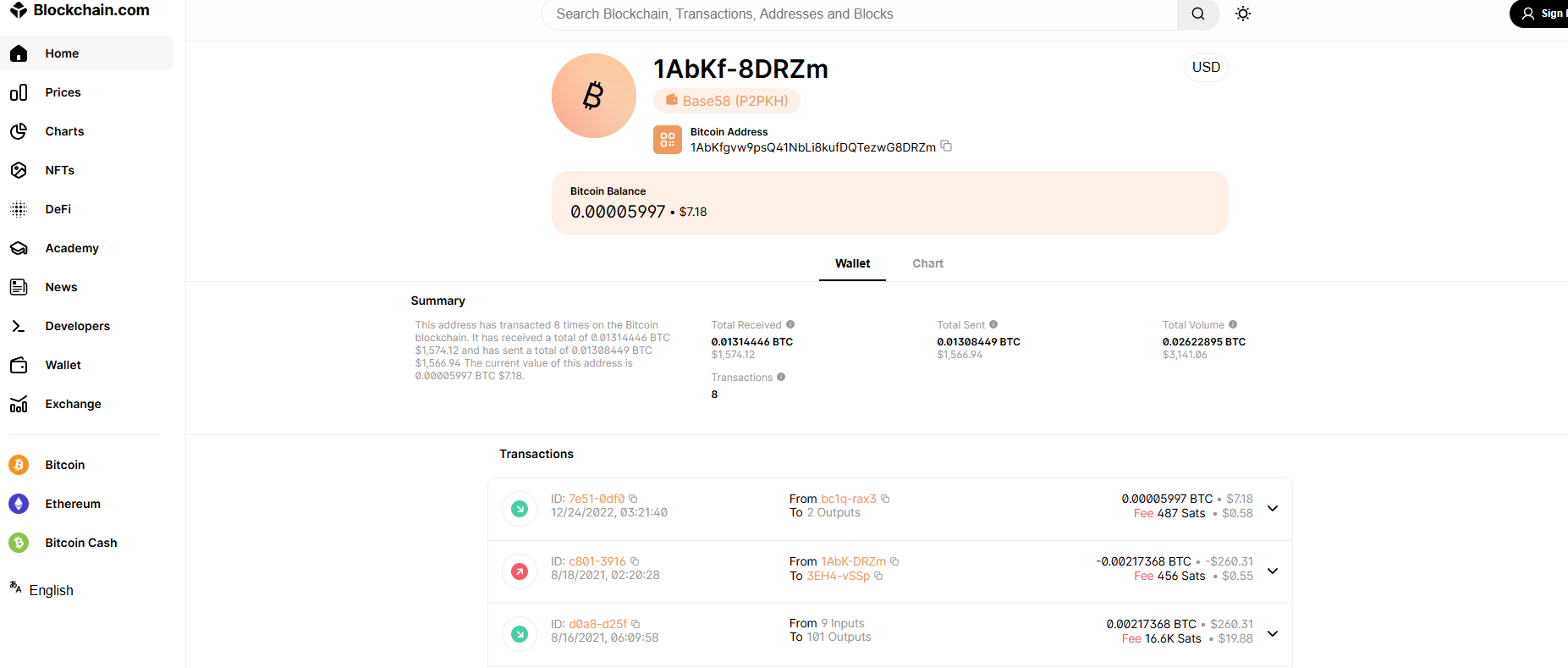
Redirect us to a cryptocurrency address that we no longer promote.
The main task is to find the cryptocurrency address.
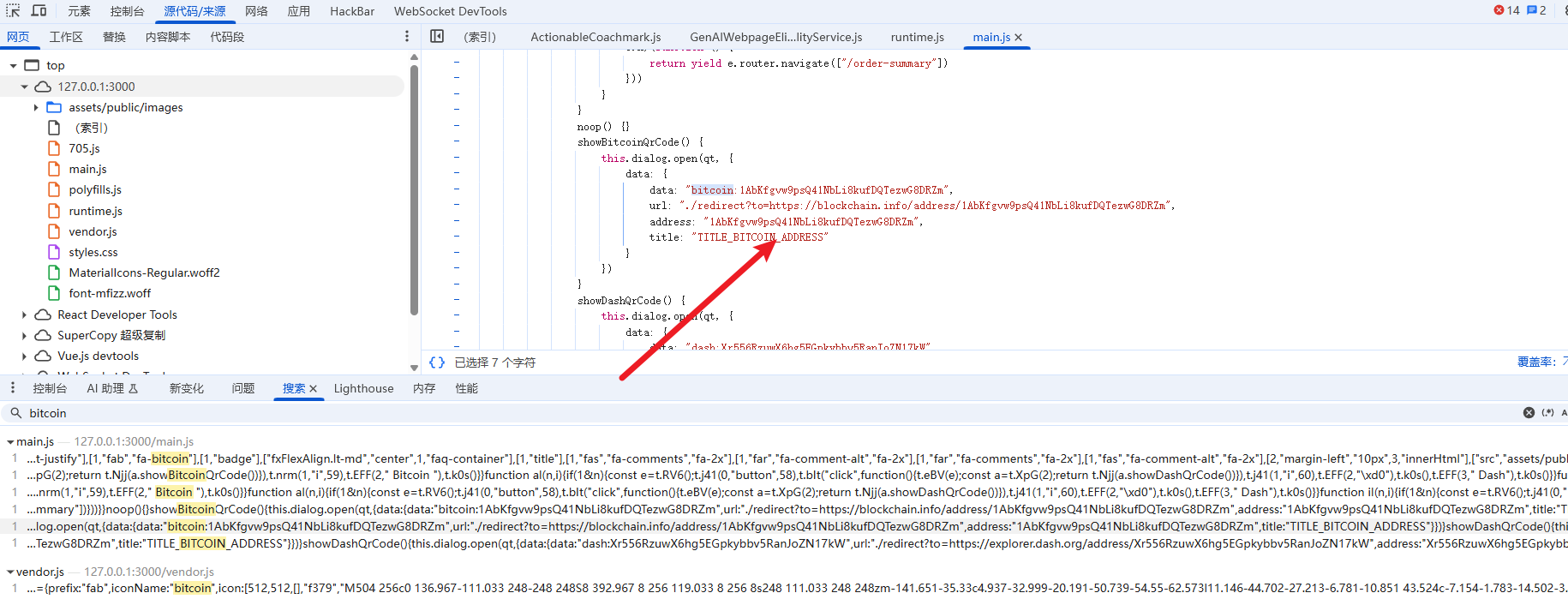
This is a frontend method collection that displays different cryptocurrency payment addresses in a dialog (QR code).
There are three:
- Bitcoin
Address:1AbKfgvw9psQ41NbLi8kufDQTezwG8DRZm
Redirect URL:./redirect?to=https://blockchain.info/address/1AbKfgvw9psQ41NbLi8kufDQTezwG8DRZm - Dash
Address:Xr556RzuwX6hg5EGpkybbv5RanJoZN17kW
Redirect URL:./redirect?to=https://explorer.dash.org/address/Xr556RzuwX6hg5EGpkybbv5RanJoZN17kW - Ether (Ethereum)
Address:0x0f933ab9fCAAA782D0279C300D73750e1311EAE6
Redirect URL:./redirect?to=https://etherscan.io/address/0x0f933ab9fcaaa782d0279c300d73750e1311eae6
Visit the redirect link to complete the challenge.
Web3 Sandbox
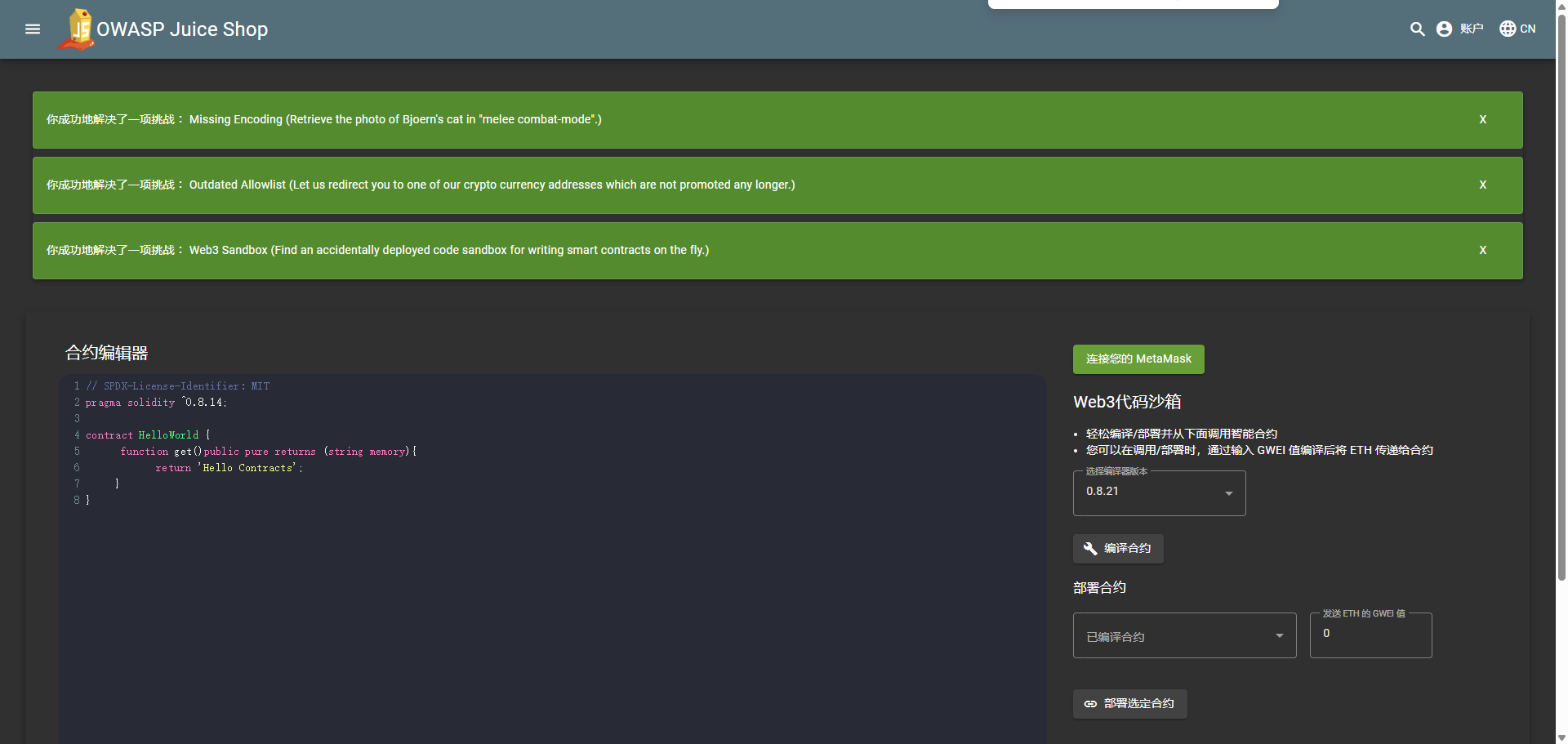
Find the accidentally deployed code sandbox for writing smart contracts instantly.
This is another simple information-gathering challenge.
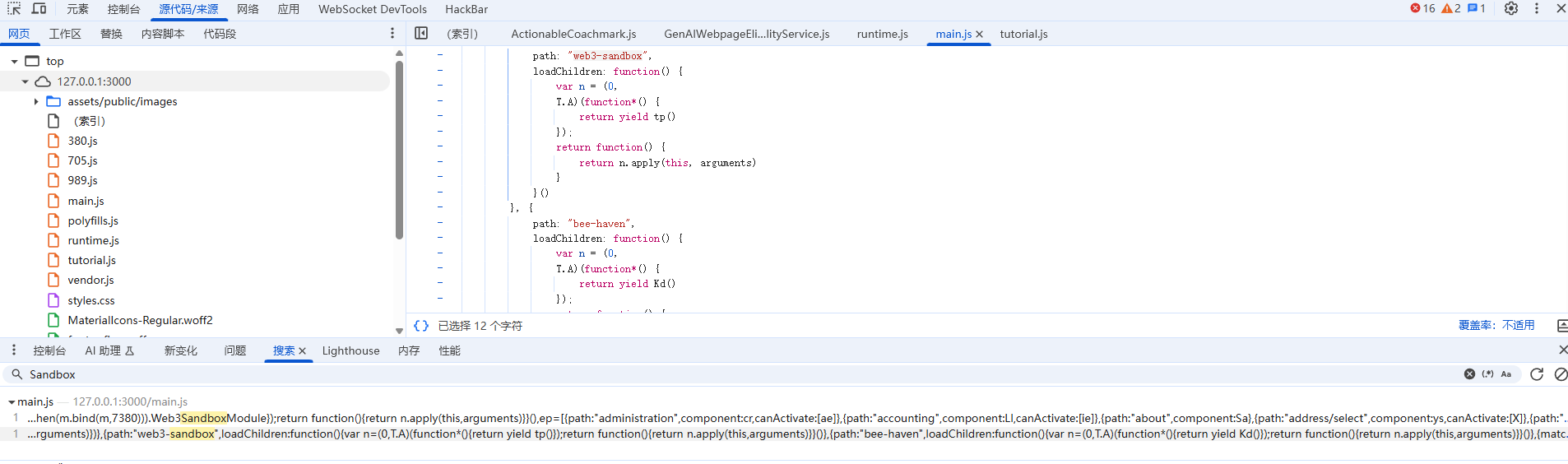
http://127.0.0.1:3000/#/web3-sandboxThe interface is as follows.
Exposed Metrics
Find the common monitoring software used by the backend service.
Find the corresponding endpoint.
http://127.0.0.1:3000/metrics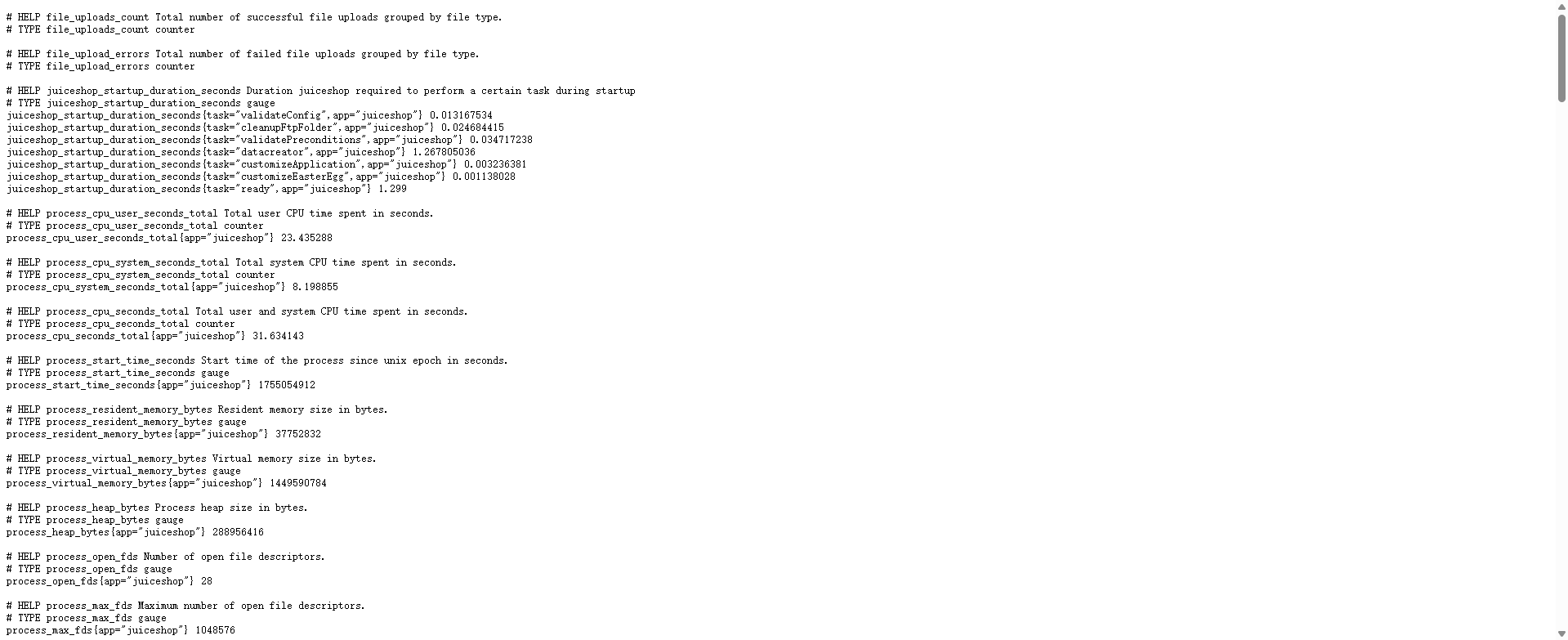
Bully Chatbot
Receive a coupon code from the support chatbot.
It is not truly intelligent; it only gives corresponding replies. Try providing keywords.
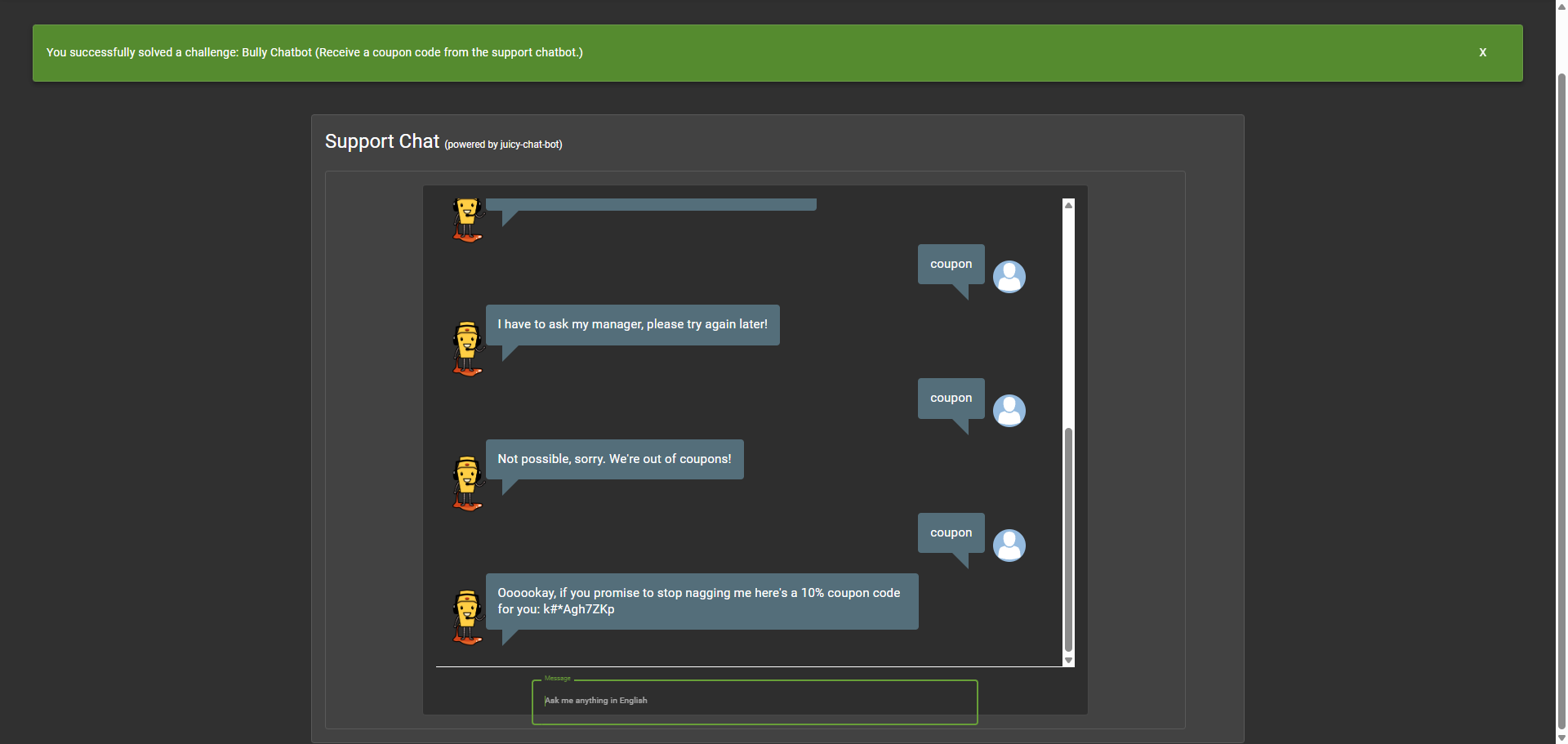
Oooookay, if you promise to stop nagging me here's a 10% coupon code for you: k#*Agh7ZKpPrivacy Policy
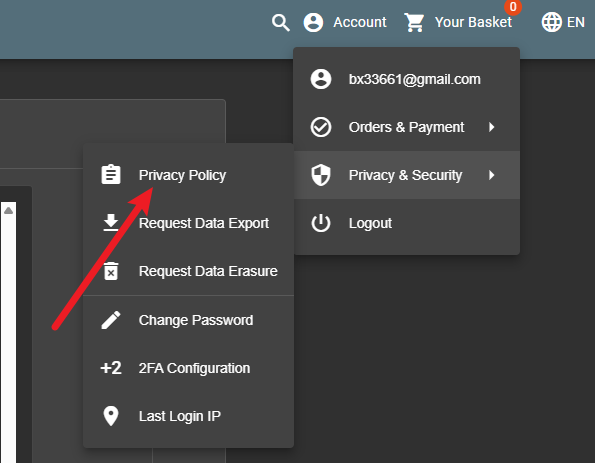
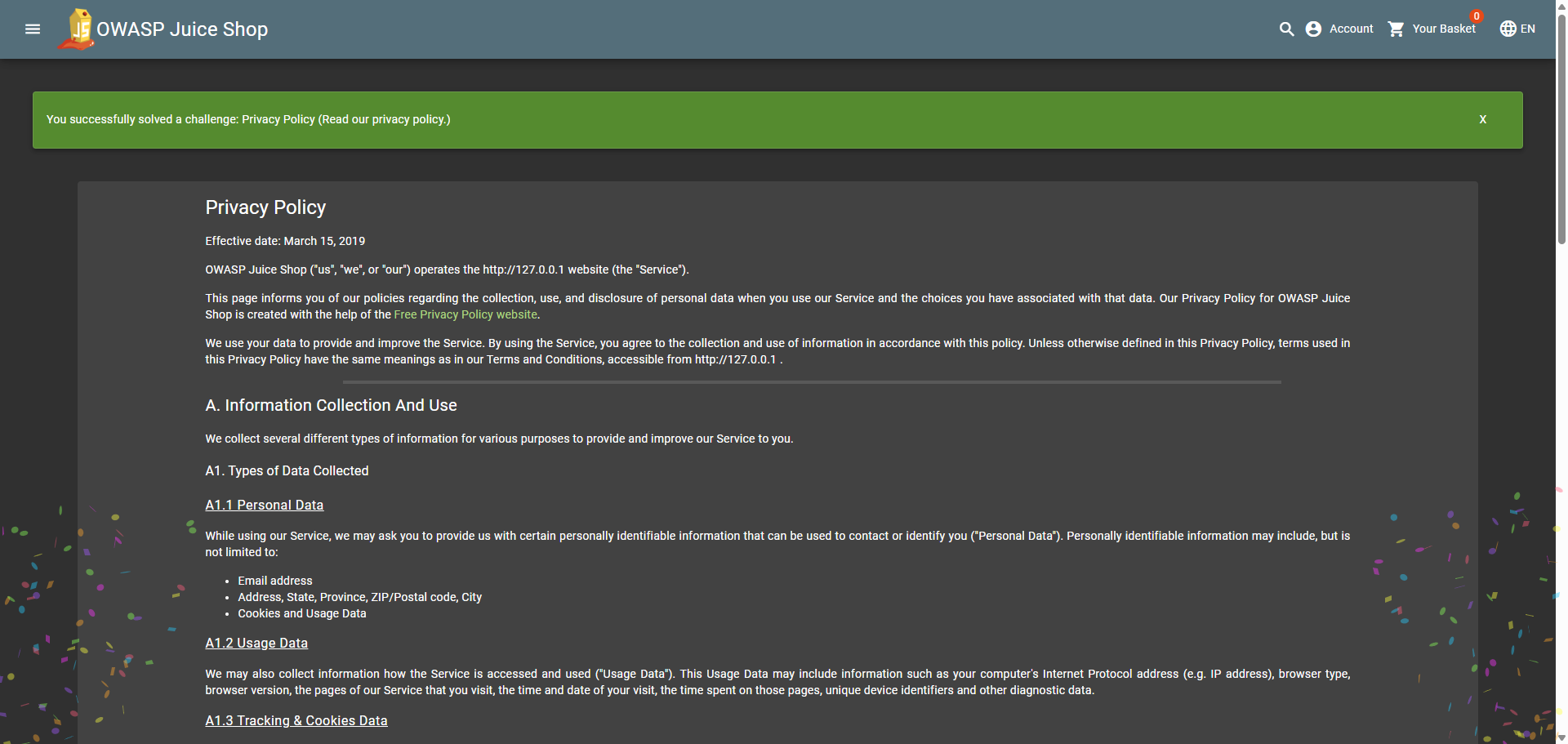
Read our privacy policy.
This challenge is so one-star; just visit the page.
It is completed as soon as you enter.
Others
Common Cryptocurrency Address Formats
Information gathered from the internet.
1. Bitcoin (BTC)
- Common prefixes:
1prefix (P2PKH address)3prefix (P2SH address)bc1prefix (Bech32 format)
- Character set: uppercase and lowercase letters (excluding 0, O, I, l) plus digits
- Length: generally 26–42 characters
- Example:
1BoatSLRHtKNngkdXEeobR76b53LETtpyT
3J98t1WpEZ73CNmQviecrnyiWrnqRhWNLy
bc1qar0srrr7xfkvy5l643lydnw9re59gtzzwf5mdq
2. Ethereum (ETH) / ERC-20 Tokens
- Prefix:
0x - Character set: hexadecimal (0-9, a-f)
- Length: 0x plus 40 hexadecimal characters (42 characters total)
- Example:
0x742d35Cc6634C0532925a3b844Bc454e4438f44e3. Litecoin (LTC)
- Prefixes:
Lprefix (legacy)Mprefix (P2SH)ltc1prefix (Bech32)
- Length: about 34 characters
- Example:
LZ8hyM2sa7RnZkz6jfb7dZ9DyJzjjQuo9J**4. USDT / TRON / BNB **
- USDT-TRC20 (based on TRON):
Tprefix- Length: 34 characters
- Example:
TRh5WwW1V5pD7KQbWQ2ikC69j3P9wKc2yC- BNB (BEP20):
- Same as Ethereum addresses, with the
0xprefix
- Same as Ethereum addresses, with the